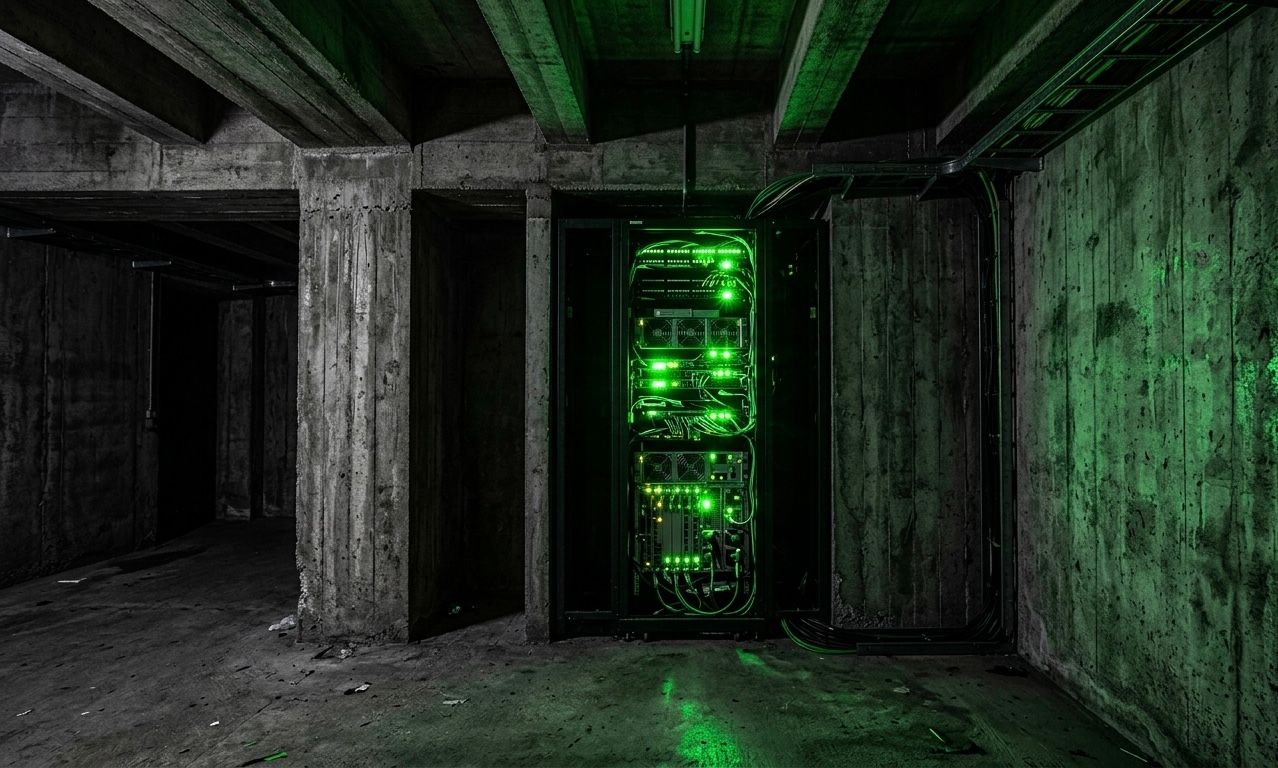
Constraints forge elite systems. You strip away the multi-monitor setups and graphical user interface crutches to discover your actual engineering baseline. I built this entire serverless infrastructure using nothing but a Samsung S8 and a terminal emulator. Most developers panic without visual builders. They rely on bloated monoliths draining server resources every single time a bot crawls their webpage. We reject that paradigm entirely. This log documents the raw architectural wiring required to deploy a zero-cost, hyper-performant static site directly from mobile hardware.
Phase 1: The Terminal Foundation
Command lines govern everything. You install Termux to establish a localized Linux subsystem resting directly above the Android kernel. This becomes your central command. You update the package managers and install Node.js alongside Git. Hardware limitations become painfully obvious when executing heavy dependency installations. Your device temperature spikes. The CPU throttles violently under the load. You push through it. Generating cryptographic SSH keys directly on the mobile device securely binds your localized environment to your remote GitHub repository. You establish the secure tunnel.
Phase 2: Structuring the Data Payload
Data must remain strictly decoupled from presentation. We initialize a Sanity workspace to serve as the structured Content Lake. You define the document schemas manually. Title fields. Slug generators. Rich text arrays. This rigorous type definition ensures your frontend never receives malformed data payloads that could shatter the production build during deployment. Headless architecture demands intense foresight because you are essentially constructing a bespoke API strictly for your own consumption. The mobile interface of Sanity Studio handles the actual content entry operations.
Phase 3: Compiling the Edge
Static generation guarantees absolute speed. Astro strips out client-side JavaScript by default. You fetch your remote Sanity data during the server build phase using highly specific GROQ queries. Mapping over those resulting arrays generates dynamic routes for every single log entry in your database. The syntax is unforgiving. A single misaligned bracket inside your mobile code editor crashes the local development server instantly. You write layout components utilizing utility classes for rapid aesthetic iteration. The final output is pure HTML. Zero runtime overhead exists.
Phase 4: The Continuous Integration Pipeline
Automation finishes the job. You commit the localized code changes using Git. Pushing your commits to the main branch triggers the Vercel edge network instantaneously. Vercel pulls the repository and downloads the required dependencies. It executes the Astro build command in the cloud. The system reaches out to the Sanity API to fetch the absolute latest content payloads. The static assets are generated and distributed across global content delivery network nodes. The site goes live.
The loop is closed. You write code on a phone. The edge network handles the heavy lifting. The operational cost remains exactly zero.